Work & Enterprise
Strategy Is a Practice, Not a Plan
Strategy is not something you finish. It is something you practise.
ReadFor the better part of two years, I was looking for a particular person.
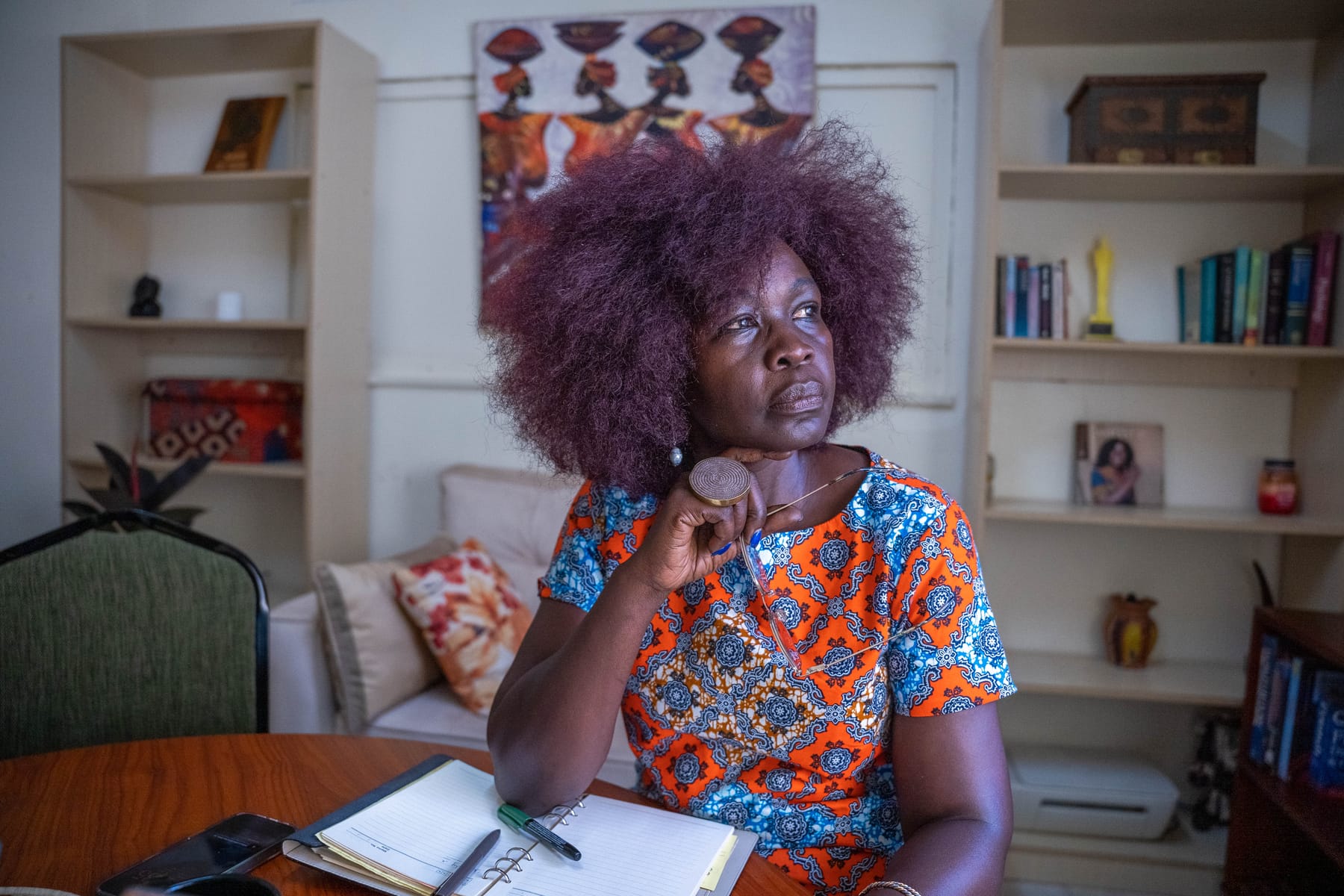
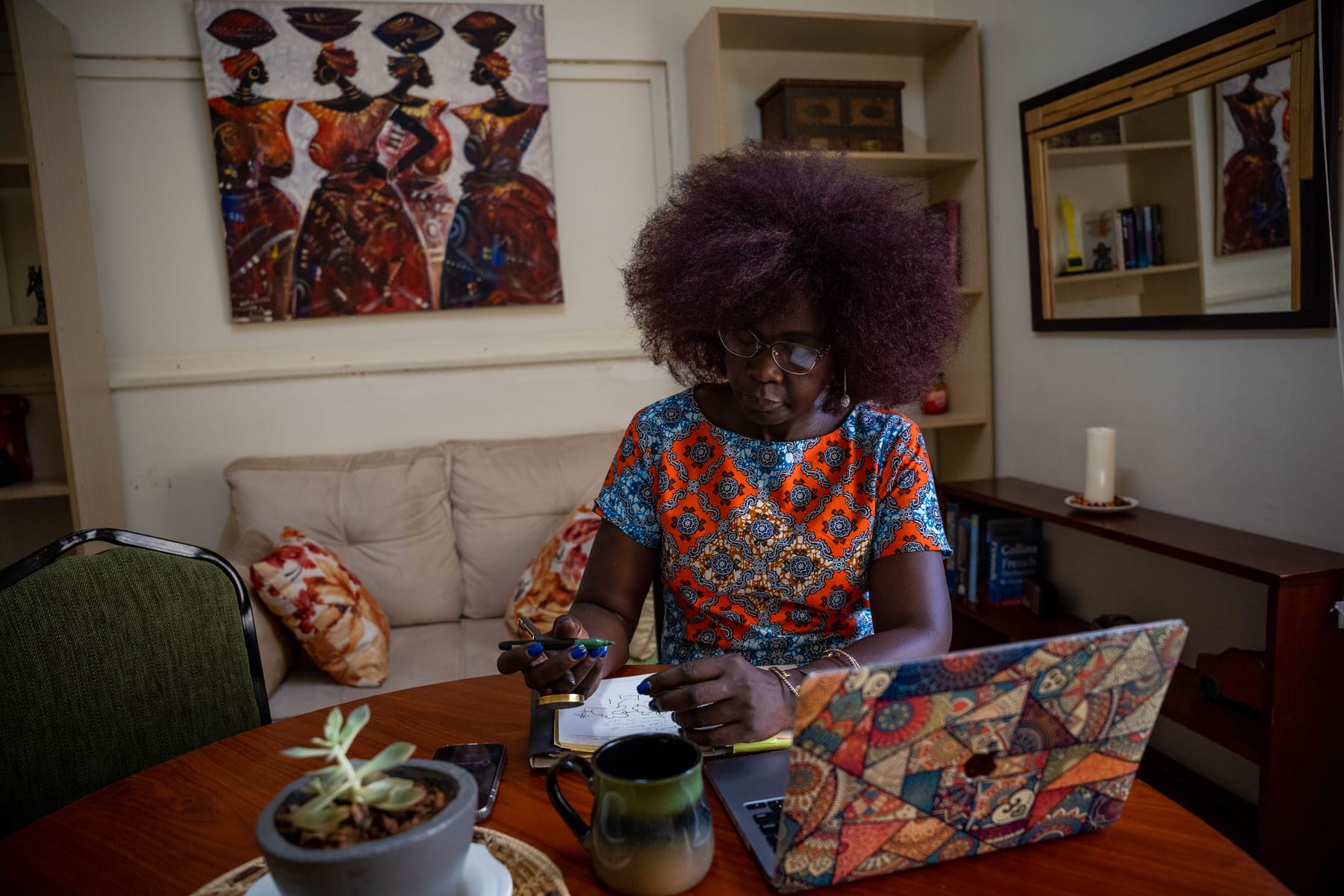
I needed an assistant, but not really an assistant in the ordinary sense. I needed someone who could hold several things in her head at once, the way I do. Someone who understood strategy and could also notice that the flowers in the café were wilting. Someone who could draft a proposal and read the mood of a room. Someone who could keep up with a mind that moves across law and enterprise and design and community, sometimes all before lunch.
I never found her.
I interviewed. I hired, and it didn’t hold. I lowered my expectations and then quietly raised them again, because the truth was I didn’t want less; I wanted a rare combination, and rare combinations are, by definition, hard to find.
What I did not expect was to find some of what I was looking for in a tool rather than a person.
I did not come to AI as a technologist. I came to it tired. I came to it as a founder with too many open loops, running a business in Kampala where the neat solutions written up in reports rarely survive contact with reality. I began using these tools the way you might use a very patient thinking partner, to draft, to organise, to argue back, to help me hear my own ideas more clearly.
And here is the thing that surprised me. What it gave me was not, mainly, speed. It gave me back some room in my own head. For years I had been the place where everything was held: every decision, every follow-up, every half-finished idea. That is exhausting, and it is also a kind of trap, because a mind that is full has no space left to think. Off-loading some of the holding gave me back the part of myself I most needed: the part that reflects, that notices, that imagines.
I wasn’t chasing efficiency. I was chasing my own mind back.
I say this carefully, because I don’t think technology is the hero of this story. For a small creative business in East Africa, the scarce resource is not computing power. It is human judgement: knowing which problem is worth solving, reading people well, holding a standard. AI did not replace any of that. It cleared enough space around it that I could do it better.
The assistant I was looking for, it turns out, was partly a person I still hope to find, and partly a way of working I had to build for myself. In the meantime, I stopped waiting to be rescued by the perfect hire, and started asking a more useful question: what is actually draining me, and what, person or tool, could hold some of it, so that the part only I can do gets my full attention?
How did you find the support you needed, and did it arrive in the form you expected?
Strategy is not something you finish. It is something you practise.
ReadOne of my mentors once asked me, only half-joking: “Is this your hobby, or is it a business?”
Read