
What If You’re Not Done Yet?
Learning to notice what is still quietly calling you
There is a quiet moment that arrives for many of us in the mid-life. You have worked, raised children, built things, supported people and kept your promises. By most measures, you are comfortable. And the people around you think, and sometimes say, that you have done enough; you should relax.
And yet, a small, stubborn voice asks: but what if I’m not done yet?
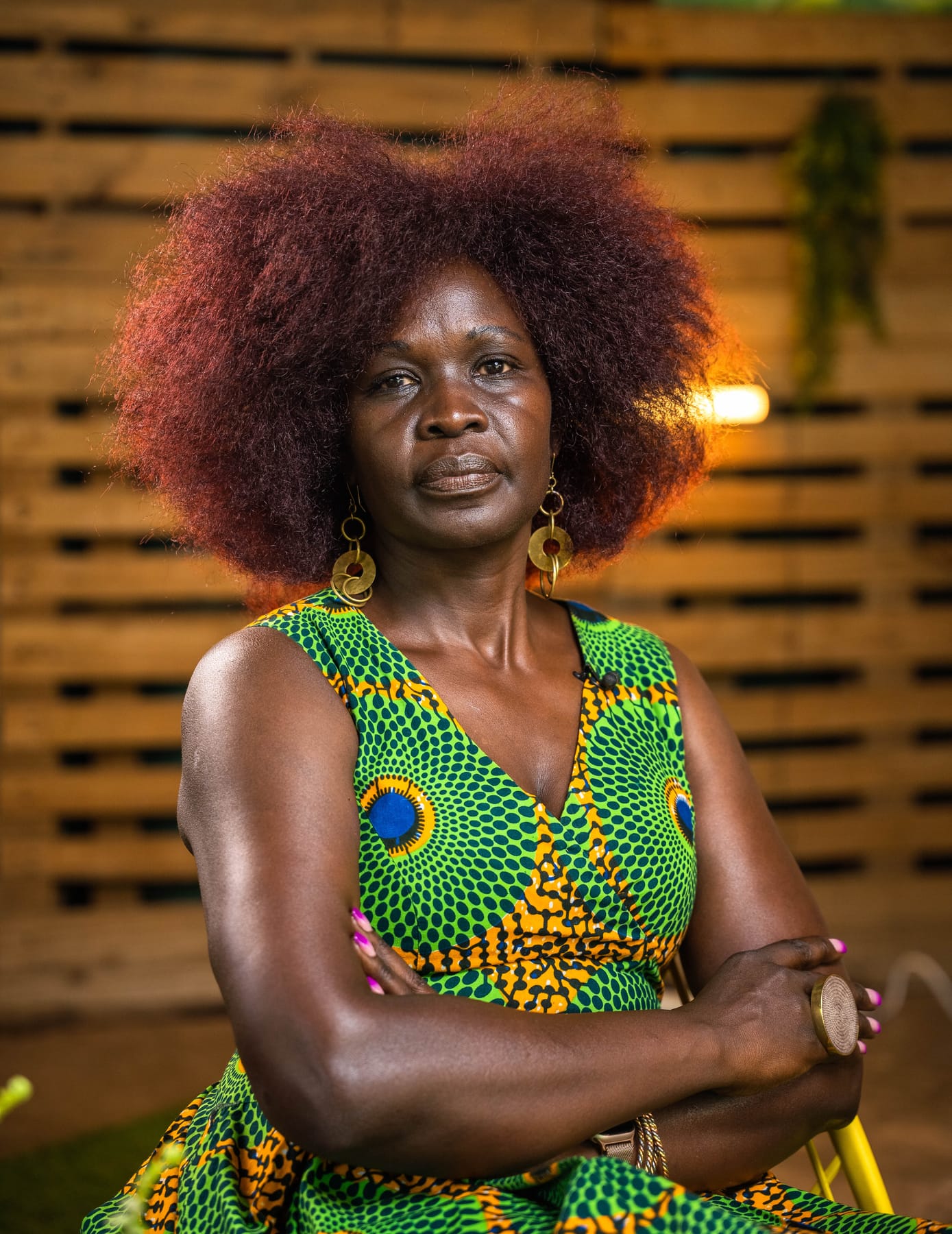
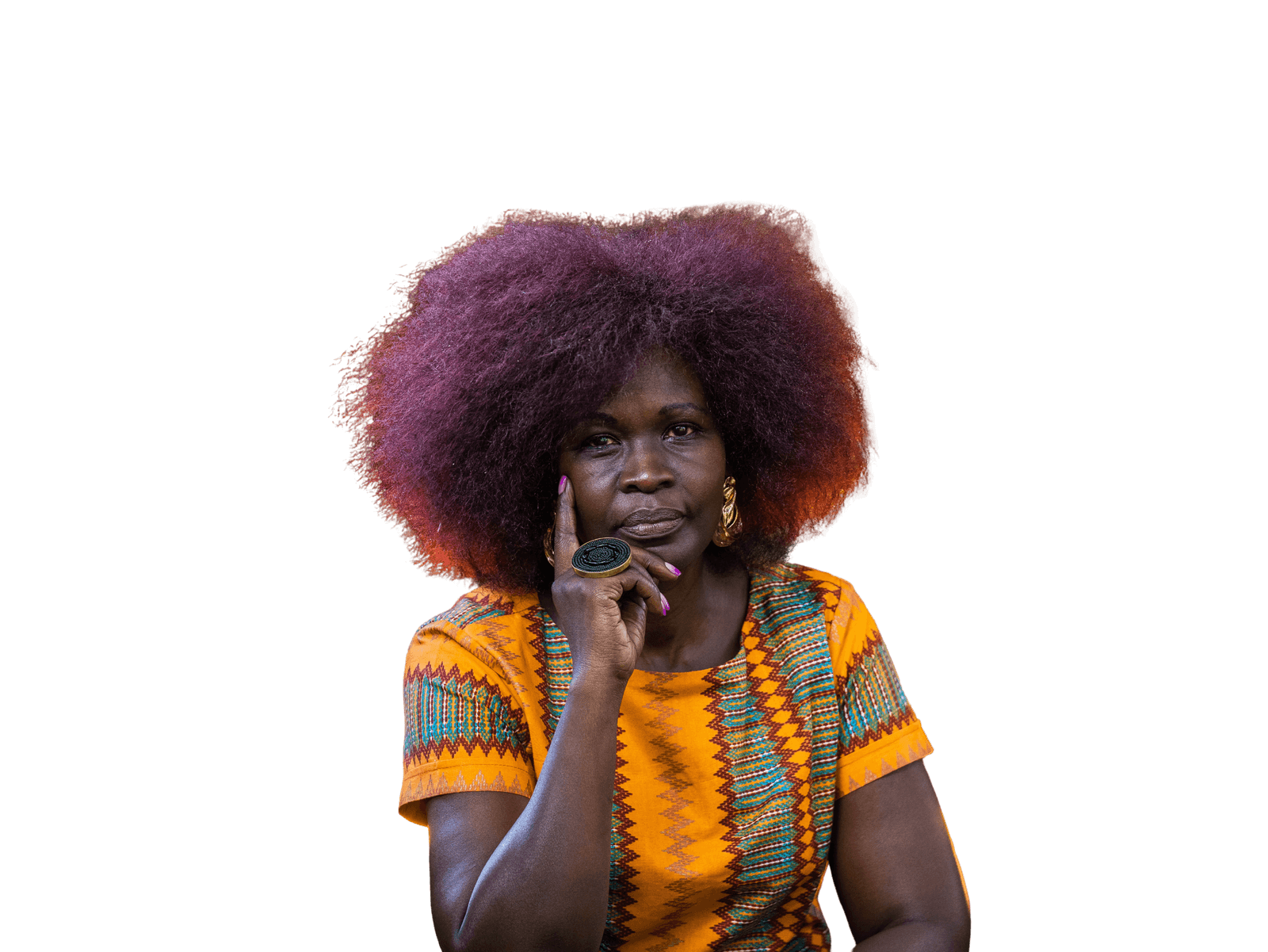
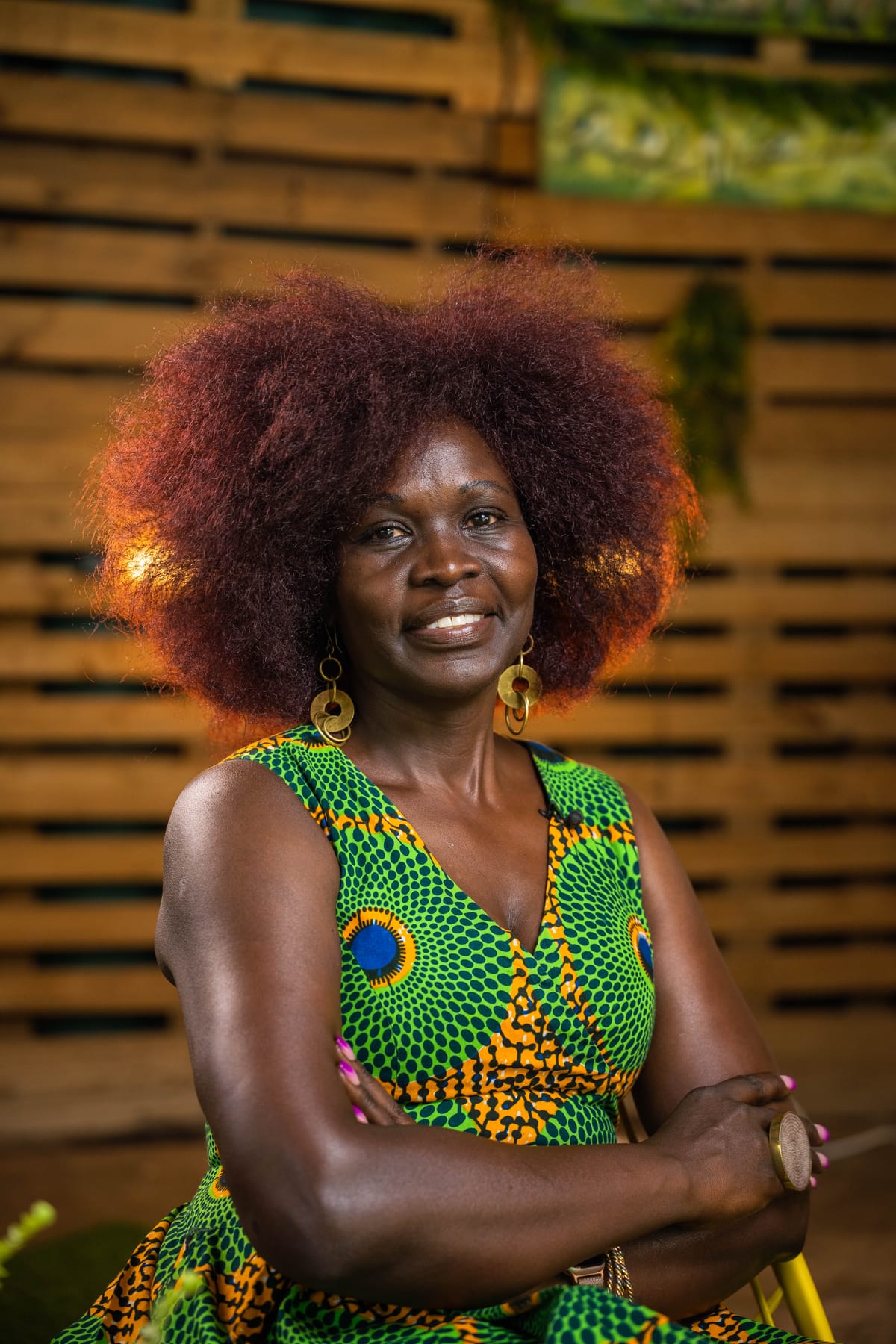
I have been sitting with this question since a conversation in the KaraSpace gardens with my friend Josephine Okui Ossiya, who told me the story of how she became CEO of Uganda’s Capital Markets Authority. She had already had a substantial career and a comfortable life. There was nothing wrong. And then she saw the advertisement, and something made her apply.
That “something” is what I want to talk about.
It usually begins as attention
I wonder how many opportunities had crossed Josephine’s path before that one. How many conversations, how many possibilities she had noticed and let quietly pass. But this one caught her attention.
I think sometimes a next phase often begins exactly there: not with a crisis, but with a small sense that there might still be something more. So perhaps the first practice of any next phase is simply learning to pay attention: to the conversation that stays with you, the idea you keep returning to, the work that suddenly makes you curious, the possibility that frightens you a little and also makes you come alive.
Stepping into all of who you are
Josephine did not reinvent herself. She did not throw away who she had been and become someone new. She carried it all with her: years of financial and leadership experience, relationships built over decades, a reputation, and the kind of judgment that is almost impossible to teach because it comes only from meeting people, institutions and uncertainty again and again.
Experience as capital
When I asked her how she knew she was ready for the bigger roles, she laughed. She wasn’t sure she had known. She said, simply: you can always learn. That has stayed with me. Maybe the quiet gift of this stage of life is that we can begin to ask a different question. Not: do I already know everything I need to know to do this? But: what has everything I have already done prepared me to do now? It is a different way of seeing the years behind you, not as time that has passed, but as capital you have been building all along.
And yet, here is the part we don’t say enough: you can have thirty years of experience and still have to press Apply. That takes courage. It means letting yourself want something. It means letting someone else assess you. It means risking a no. It means walking into a room where you may not be the person who knows the most, and being willing to become a learner again after years of being the expert.
More does not have to mean bigger
Near the end of our conversation, I asked Josephine what was calling her now. Her answer surprised me. Not another board. Not a bigger institution. She talked about young people losing themselves to alcohol and drugs, about talent being wasted, about her faith, about a small initiative she feels quietly drawn to.
I really like that, because it highlighted a mistake some of us make about a “next phase.” We assume more must mean bigger. A bigger title, a bigger organisation, more money, more visibility. But maybe that isn’t what more means. Maybe the next phase is simply the next thing that asks something meaningful of us.
I noticed one more thing. However people addressed her, Madam, CEO, Board Member, her own description of herself was disarmingly plain: “I am Josephine.” The positions mattered but they were not who she was. One day, she said, she will no longer be CEO. Then what? There is something steadying in being able to step into authority without letting it become your identity, because the goal was never to collect titles. It was to keep becoming more fully yourself.
What if you’re not done yet?
I want to leave you where the conversation left me.
Perhaps you have reached the point where it would be perfectly reasonable to say: that’s enough now. Maybe it is. But maybe that isn’t the only question. Perhaps the better one is quieter. What are you noticing? What keeps drawing your attention? What are you curious about? What might you try if you weren’t so worried that you do not know enough?
The answer does not have to be grand. It doesn’t have to impress anyone. It might ask you to step up, or to step away. To build something, teach something, serve somewhere, return to something you once loved, or begin something you have never done before.
But we owe ourselves the honesty to listen. Because sometimes, just when we are most sure that we are done, another part of life begins to call.
What if you’re not done yet?